
Main Courses
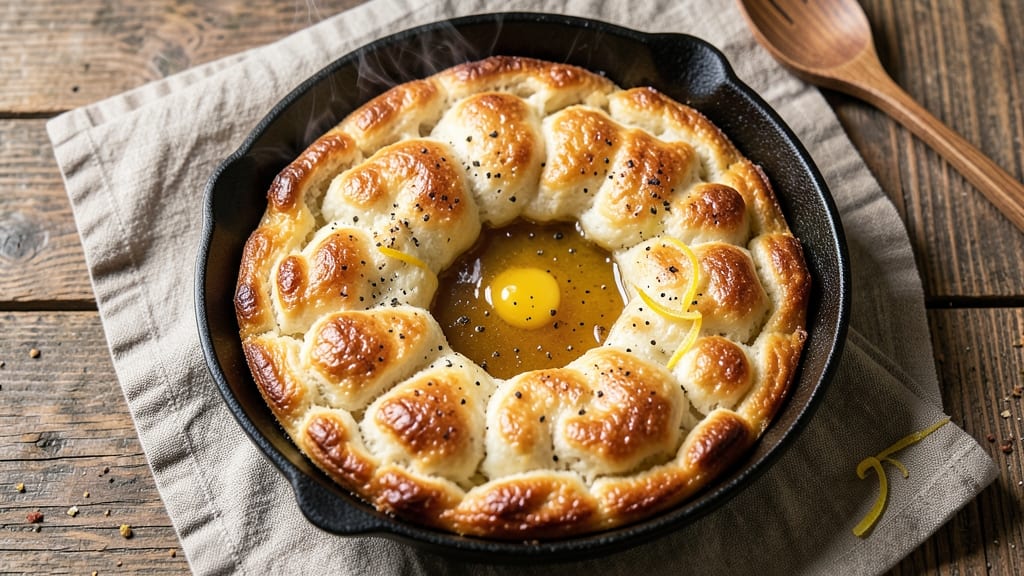
This 3-egg Yorkshire pudding recipe delivers the golden, crackling perfection that makes every Sunday roast feel like a restaurant meal. The secret lies in a hot pan, precise batter proportions, and that magical moment when the edges puff into crispy towers.
I've perfected this technique after countless trials—no more flat, dense puddings here.
What sets this recipe apart is the balance of simple ingredients: just eggs, flour, and milk, transformed by high heat into something extraordinary. The batter must rest briefly before baking, allowing gluten to develop for that signature rise.
Baking in a screaming-hot skillet creates the iconic crispy exterior while keeping the inside tender and airy.
By the time it emerges from the oven, you'll have a towering, golden-brown pudding with a crack that snaps satisfyingly under your knife. Serve it immediately alongside roast beef to soak up every juicy bite of gravy, or try it as a vegetarian main with mushroom gravy.
The contrast of crispy outside and soft inside is what makes this dish legendary.
For those who love experimenting, try adding herbs to the batter or sprinkling cheese on top before baking. The possibilities are endless, but the foundation remains the same: hot pan, perfect batter, and that moment of magical puffing. Let's create the perfect Yorkshire pudding together.
Ingredients for 3 egg yorkshire pudding
Four ingredients transform into golden, crackling towers with the right technique and heat.
| Ingredient | Amount | Notes |
|---|---|---|
| Large Eggs 🥚 | 3 whole | Room temperature for even mixing |
| All-Purpose Flour 🌾 | ½ cup | Sifted for light, airy texture |
| Whole Milk 🥛 | ½ cup | Full-fat for optimal rise |
| Unsalted Butter 🧈 | 2 tbsp | Melted in hot skillet |
| Diamond Crystal Kosher Salt 🧂 | ½ tsp | Fine grain for even seasoning |
| Freshly Ground Black Pepper 🌶️ | ¼ tsp | Freshly cracked for aroma |
| Vegetable Oil 🫒 | ¼ cup | High smoke point preferred |
| Fresh Parsley 🌿 | ¼ cup | Chopped for optional garnish |
The eggs must be room temperature—cold eggs create lumpy batter that won't rise properly. King Arthur or Gold Medal flour yields the best results due to their high protein content, but any all-purpose flour works in a pinch. For the milk, whole milk is non-negotiable—it provides the necessary fat for that signature crispy exterior. The butter should be unsalted to control seasoning precisely; if you must use salted, reduce the kosher salt by half. Preheat your oven to 425°F while you prepare the batter, as residual heat from the skillet will help launch those magical puffs.
No vegetable oil? Avocado oil or refined olive oil work equally well—just ensure it has a high smoke point. The batter must rest for at least 15 minutes before baking; this allows the gluten to relax and develop properly, resulting in a lighter texture. For a herb-infused variation, finely chop 1 tablespoon of fresh thyme or rosemary and fold it into the batter. The key to success lies in the skillet: it must be screaming hot before adding the butter—cold butter means cold batter, which means no puffing. If your puddings brown too quickly, tent loosely with foil and return to the oven.
Freshly made Yorkshire puddings are best served immediately, but you can reheat them in a 350°F oven for 5-7 minutes to restore crispiness. Store any leftovers in an airtight container for up to 2 days—though honestly, they rarely last that long. For meal prep, bake an extra batch and freeze them on a parchment-lined tray before transferring to a bag. Reheat frozen puddings directly from frozen in a 400°F oven for 10-12 minutes until golden. The secret to restaurant-quality results lies in the heat: your skillet must be hotter than you think—almost smoking before adding the butter.
Why You'll Love This Recipe
- Pantry Staples Only: I swear by this recipe because it uses stuff I always have—eggs, flour, milk, butter, and salt. No specialty ingredients, no last-minute grocery runs. Just crack, whisk, and bake.
- Crispy-Creamy Magic: That golden crust with a pillowy center? It’s all in the hot butter and the 3-egg ratio. The milk keeps it tender while the egg structure locks in that perfect texture—no sad, flat puddings here.
- Sunday Supper Star: Between us, this is my go-to for brunch or a fancy dinner. Serve it with roasted chicken and gravy, or just slather it in jam for a sweet treat. It’s the side dish that makes everything feel special.
- Budget Breakthrough: Three eggs stretch further than you’d think, and the rest of the ingredients cost pennies. I make a batch, freeze extras, and pull them out for lazy weeknights—no takeout, no guilt. Pure win.
Step-by-step instructions for perfect Yorkshire pudding
Master this classic British side with crispy edges and a light center using precise technique.
Whisk the Batter to Peak Consistency
In a medium bowl, combine the 3 whole Large Eggs, 0.5 cup All-Purpose Flour, 0.5 tsp Diamond Crystal Kosher Salt, and 0.25 tsp Freshly Ground Black Pepper. Whisk vigorously for 2-3 minutes until the mixture is smooth and fully aerated—you'll notice the batter thicken slightly and become pale yellow.
Next, gradually pour in the 0.5 cup Whole Milk while continuing to whisk. The batter should reach a thin, pourable consistency similar to heavy cream. Here's the thing—this batter needs to be perfectly balanced. If it's too thick, the puddings won't rise properly; if too thin, they'll spread excessively. Test by dripping a small amount into water—it should spread slowly but maintain shape.
Heat the Oil and Butter to Peak Temperature
Pour the 0.25 cup Vegetable Oil into a 12-inch ovenproof skillet and place it on the stovetop over medium-high heat. Add the 2 tbsp Unsalted Butter and let it melt completely. The key here is achieving 350°F oil temperature—this ensures proper browning without burning.
To test the heat, drop a pinch of flour into the oil. It should sizzle vigorously and float to the surface within 10 seconds. If it browns immediately, reduce the heat slightly. Maintain this temperature while you prepare the batter—consistent heat is crucial for even cooking.
Pour and Bake for Towering Crisp
Preheat your oven to 425°F. Working quickly, pour the batter into the hot skillet, dividing it into 4 equal portions (about 2 tablespoons each) using a small ladle. The batter should bubble immediately upon contact with the oil.
Transfer the skillet to the preheated oven and bake for 20-25 minutes until the puddings are deep golden brown and have risen dramatically. You'll hear a satisfying crackling sound as they puff up—this is your signal they're nearly done. The centers should still be soft when tested with a skewer.
Rest and Garnish for Perfect Texture
Remove the puddings from the oven and let them rest in the skillet for 2-3 minutes before transferring to a wire rack. This resting period allows the air pockets to set, preventing them from collapsing. The exterior should remain crisp while the interior stays light and airy.
Garnish with 0.25 cup Fresh Parsley just before serving. For maximum impact, serve immediately while still hot. The contrast between the crisp exterior and tender interior is what makes Yorkshire pudding truly special—each bite should deliver that satisfying crackle followed by a light, fluffy finish.
Pro Tips For Making 3 Egg Yorkshire Pudding
- CRANK THE HEAT HIGH: Yorkshire puddings need screaming-hot fat to puff right—don’t be shy with the butter. Melt it in your muffin tin until it’s smoking before pouring in the batter, or you’ll end up with sad, flat pancakes instead of golden domes.
- WHISK EGGS UNTIL THICK: I used to rush this step, but those 30 seconds of extra whisking make all the difference. Beat the eggs until they’re noticeably thicker and ribbon-like—this keeps the puddings light, not gummy.
- SKIP THE OVERMIXING: Once you add the flour and milk to the eggs, stir just until combined—lumps are fine. Overmixing develops gluten, and your puddings will turn out tough instead of tender.
- USE ROOM-TEMP INGREDIENTS: Cold eggs and milk slow the reaction, so pull them out 30 minutes ahead. Warm ingredients blend smoother and give you a better rise—no one wants a lumpy batter mid-bake.
Pro cooking tips for 3 egg yorkshire pudding
Batter Science
The magic happens in the batter's rest time—let it sit for 15-20 minutes before baking. This allows gluten strands to relax, creating a lighter texture. I always whisk vigorously to incorporate air, but avoid overmixing—30 seconds after adding milk is perfect.
The batter should coat the back of a spoon but still pour easily. Too thick? Add 1 tsp milk; too thin? Stir in 1 tsp flour. 💡
Room-temperature ingredients are non-negotiable—cold eggs or milk create uneven cooking. I keep my eggs out for 30 minutes before starting. For extra fluffiness, sift the flour first to remove lumps, then whisk it into the eggs before adding liquid. The goal is a smooth, glossy batter with no visible streaks.
Skillet Secrets
Your skillet must be screaming hot before adding butter—almost smoking. Test by flicking a drop of water in: if it sizzles and evaporates instantly, you're ready. I use a 12-inch cast iron skillet because it retains heat perfectly, but any oven-safe skillet works.
The butter should melt completely and coat the pan evenly before adding batter.
Never preheat the skillet in the oven—stovetop heat is crucial. If your skillet isn't hot enough, the batter will cook slowly and lose its signature rise. Pro tip: Keep the skillet on the stovetop until the batter bubbles, then transfer to the oven.
This two-stage heat process creates the perfect golden-brown crust.
Heat Control
Oven temperature is critical—425°F is non-negotiable. Too low, and your puddings will be dense; too high, and they'll burn before rising. I use an oven thermometer to verify accuracy.
The moment you transfer the skillet to the oven, the batter should bubble vigorously and begin puffing within 2-3 minutes.
Watch for the "crack"—when the edges pull away from the pan and make a loud popping sound. This is your cue they're almost done. If they brown too quickly, tent loosely with foil.
The internal temperature should reach 190°F—a meat thermometer inserted into the center will confirm doneness without collapsing the structure. 🌡️
Resting Matters
Let puddings rest in the skillet for 3-5 minutes after baking. This crucial step prevents them from collapsing when transferred. The exterior stays crisp while the interior sets properly. I always use a wire rack to cool completely—this prevents sogginess from trapped steam.
Serve immediately for maximum crispiness, but if you must reheat, pop them in a 350°F oven for 5 minutes. Microwaving destroys the texture—it creates steam that turns the interior gummy.
For meal prep, bake an extra batch and freeze them on a tray before transferring to bags. Reheat frozen puddings directly from frozen at 400°F for 10-12 minutes.
Nutrition facts
Frequently asked questions
Why does my Yorkshire pudding batter need to rest?
The 15-20 minute rest lets gluten relax and air bubbles form, creating that signature light texture. Skipping this step often results in dense, flat puddings. The batter should sit at room temperature while you heat your pan—this prevents cold ingredients from shocking the hot oil.
Can I make Yorkshire puddings without a muffin tin?
Use a 12-inch ovenproof skillet with 2 tbsp oil divided into 4 sections. The key is maintaining 425°F heat—pour batter into hot oil, then transfer to the oven. For even crispiness, try a cast iron skillet which retains heat perfectly.
What's the secret to getting that perfect golden-brown color?
Your pan must be screaming hot before adding butter—almost smoking. Test by flicking water in: if it sizzles instantly, you're ready. The two-stage heat (stovetop then oven) creates the ideal crust. Watch for the "crack" sound when edges pull away from the pan—this means they're nearly done!
Can I make Yorkshire puddings ahead of time?
Fresh is best, but you can bake extras and freeze them. Place on a tray, freeze solid, then transfer to bags. Reheat frozen puddings at 400°F for 10-12 minutes until golden. For reheating leftovers, use a 350°F oven for 5 minutes—microwaving destroys the crispy texture.
What can I do if my batter is too thick or too thin?
Too thick? Add 1 tsp milk to loosen. Too thin? Stir in 1 tsp flour to thicken. The perfect consistency coats the back of a spoon but still pours easily. Always whisk vigorously to incorporate air—this helps create that light, airy interior even if your batter isn't perfect.