
Breakfast & Brunch
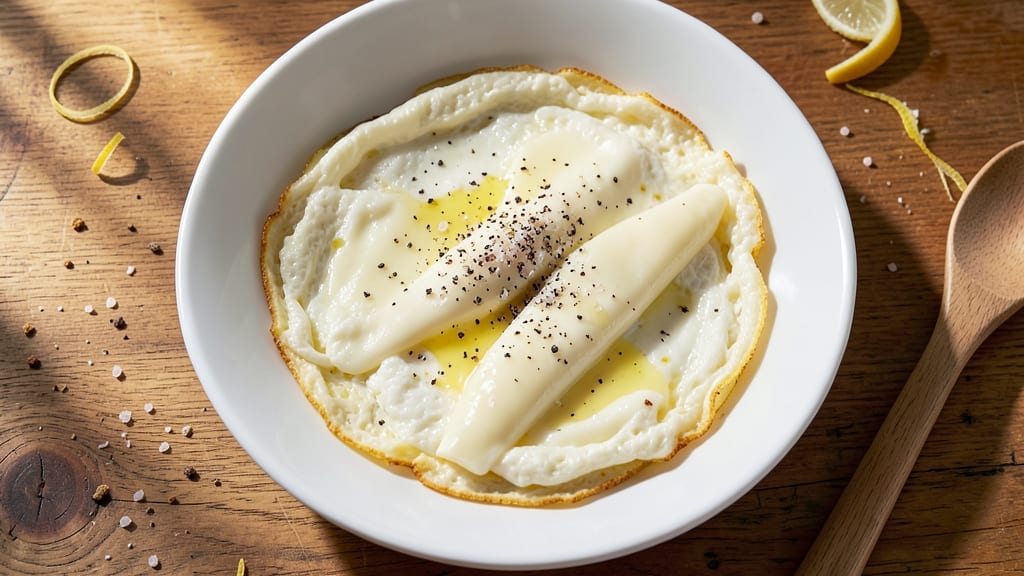
A 2-egg omelette with melted cheese rivers is the perfect breakfast—quick, protein-packed, and impossible to mess up. The secret lies in gentle heat and proper folding to create that signature golden fluff with gooey cheese centers.
I've perfected this technique after years of trial and error, ensuring every bite delivers tender eggs and creamy cheese without a single dry edge.
This recipe uses just 5 simple ingredients—eggs, cheese, butter, salt, and pepper—yet transforms them into a restaurant-quality dish. The key is medium-low heat, constant stirring, and folding the omelette while still soft. That's what creates those melted cheese rivers that make it irresistible. No flipping required—just one perfect fold.
By the time you're done, you'll have a golden, fluffy omelette with perfectly melted cheese that oozes with every bite. The edges stay tender, the center remains slightly runny, and the cheese stretches into delicious rivers.
It's the kind of breakfast that feels indulgent yet takes less than 10 minutes to make.
Customize it with herbs, vegetables, or extra cheese—this omelette adapts to any preference while keeping the core technique foolproof. Let's get cooking!
Ingredients for 2 egg omelette recipe with cheese
Five essential ingredients transform into a restaurant-quality omelette with golden fluff and melted cheese rivers.
| Ingredient | Amount | Notes |
|---|---|---|
| Large Eggs 🥚 | 2 whole | Room temperature for even cooking |
| Sharp White Cheddar Cheese 🧀 | ½ cup | Shredded finely for even melting |
| Unsalted Butter 🧈 | 1 tbsp | High smoke point for even heat |
| Diamond Crystal Kosher Salt 🧂 | ⅛ tsp | Fine grain for precise seasoning |
| Freshly Ground Black Pepper 🌶️ | ⅛ tsp | Cracked for robust flavor |
The eggs are the foundation—room temperature ensures even cooking without breaking. For the cheese, sharp white cheddar delivers that perfect balance of tang and melt, but Gruyère or Monterey Jack work equally well. I prefer Whole Foods Market for their pre-shredded options, but grating your own from a block guarantees fresher flavor. The butter must be unsalted to control seasoning precisely—Plugra or Land O'Lakes are reliable choices. Freshly cracked pepper adds depth that pre-ground can't match, so invest in a simple grinder if you don't already own one.
No sharp cheddar? Pepper Jack or Gouda bring different but equally delicious flavors. Running short on butter? Olive oil or ghee work in a pinch, though butter's lower smoke point makes it ideal for this technique. The salt measurement is precise—Diamond Crystal is lighter than table salt, so don't double it if you're using another brand. For pepper, freshly cracked** is non-negotiable, but if you must use pre-ground, add an extra pinch. The eggs can be separated and recombined if you're concerned about consistency, though fresh, cold eggs from the fridge will work fine with proper technique.
Store any leftover cheese in an airtight container in the fridge for up to one week, while eggs should be used within three days of cracking. The butter can be kept at room temperature in a covered dish for one month, though I recommend refrigerating it to prevent spoilage. This omelette reheats beautifully—gentle microwave bursts or a warm skillet restore that creamy texture. For meal prep, cook an extra omelette and store it in the fridge for up to two days, though the texture will be slightly firmer when reheated.
Why You'll Love This Recipe
- Two-Ingredient Magic: I swear by this—just eggs, butter, and cheese. No chopping, no measuring cups, no stress. Honestly, I’ve made it in my pajamas while waiting for coffee to brew.
- Cheese Pulls the Win: That sharp white cheddar? It’s not just melted—it’s gooey in the middle, crisp at the edges, and salty enough to make you crave another bite. Between us, I’ve seen grown adults fight over the last piece.
- Breakfast or Snack: Need a quick lunch? Toss it in a wrap. Prepping for the week? Make four, wrap them in foil, and reheat in seconds. My college kid still texts me to “send the recipe” when he’s starving between classes.
- Budget Breakfast Hero: Two eggs, a pat of butter, a sprinkle of salt—this feeds two for under $2. I’ll be real: I’ve fed a whole family of four with leftovers, and nobody complained. (My husband still asks for seconds, though.)
Step-by-step instructions for perfect cheese omelettes
Master the art of creating light, airy omelettes with rich melted cheese rivers using just five ingredients.
Whisk Eggs Until Ribbon Stage
Place the 2 whole Large Eggs in a medium bowl and add the 0.125 tsp Diamond Crystal Kosher Salt and 0.125 tsp Freshly Ground Black Pepper. Using a fork or whisk, beat vigorously for 30-45 seconds until the yolks and whites are fully combined. For the perfect texture, continue whisking until the mixture forms a thick ribbon when the whisk is lifted—this indicates proper emulsification and ensures a fluffy omelette.
Here's the thing—room temperature eggs incorporate air better, so if they're straight from the fridge, let them sit at room temperature for 10-15 minutes before whisking. The slight warm-up makes a noticeable difference in the final consistency. Avoid over-whisking, which can create bubbles that deflate during cooking, compromising that signature fluffiness.
Melt Butter and Prepare the Pan
Heat an 8-inch nonstick skillet over medium-low heat until it's just warm to the touch. Add the 1 tbsp Unsalted Butter and let it melt completely, swirling to coat the entire pan surface. The butter should foam gently but not brown—this ensures even heat distribution without burning. If you see browned bits forming, reduce the heat slightly to maintain a gentle sizzle.
This low-and-slow approach prevents the eggs from cooking too quickly on the bottom, which guarantees that signature tender, custard-like base. A properly heated pan with melted butter creates the perfect nonstick surface while adding rich flavor to every bite. Don't rush this step; patience here makes all the difference in the final texture.
Cook the Omelette Foundation
Pour the whisked eggs into the skillet, tilting the pan to distribute them evenly. Let the eggs cook undisturbed for 20-30 seconds until the edges begin to set but the center remains slightly runny. At this point, you'll notice the edges turn from translucent to opaque—this is your visual cue to gently push the cooked edges toward the center using a silicone spatula, allowing the uncooked egg to flow to the edges.
This technique creates an even thickness throughout the omelette. Avoid lifting the edges too aggressively, as this can tear the delicate egg curtain. The goal is to build a uniform layer where the bottom is just set but the top remains soft and creamy. If you see the eggs cooking too quickly, reduce the heat slightly to maintain control over the cooking process.
Add Cheese and Fold to Perfection
When the omelette surface is mostly set but still slightly moist in the center (about 45-60 seconds total cooking time), sprinkle the 0.5 cup Sharp White Cheddar Cheese evenly over one half of the omelette. Use a fine grater for even melting—this ensures the cheese distributes smoothly without clumping. Let the cheese melt for 10-15 seconds before folding.
Here's where it gets technical: fold the cheese-free half over the cheesy half by lifting the edge closest to you and tucking it under, then folding the opposite side in the same motion. The goal is to create a neat, triangular package that traps all that melted cheese inside. Press down gently for 5 seconds to help seal the edges—this prevents cheese from leaking out during service. If you hear a slight sizzle, the pan is still hot enough to create a lightly browned exterior.
Plate and Serve Immediately
Slide the folded omelette onto a warm plate using the spatula, lifting gently from the bottom to maintain its shape. The bottom should be golden and slightly crisp at the edges, while the interior remains tender and custard-like. Serve immediately—this omelette doesn't wait. The cheese should have melted into beautiful rivers throughout, creating pockets of creamy goodness in every bite.
If you're serving two portions, repeat the process with the remaining egg mixture in the same pan—just wipe it clean with a paper towel to remove any residual cheese. The first omelette will keep warm for 2-3 minutes while you prepare the second. For an extra touch, garnish with a sprinkle of freshly cracked black pepper just before serving to highlight the cheese's sharp flavor profile.
Pro Tips For Making 2 Egg Omelette Recipe With Cheese
- Use Medium Heat: I learned this the hard way—cranking the heat too high makes the eggs scramble before the cheese melts. A medium-low flame lets the butter foam properly while keeping the eggs tender enough to fold without resistance.
- Shred Cheese Coarse: Fine shreds turn into a gluey mess. Use a box grater for larger, uneven pieces—they melt slower and stay distinct, giving that satisfying cheesy pull in every bite.
- Salt the Eggs First: Season the eggs before whipping, not after. The salt dissolves into the liquid, ensuring even flavor distribution—no dry spots or aftertaste from over-salting the finished omelette.
- Fold Fast, Flip Slow: Tuck the edges in tight with a spatula, then slide the omelette onto a plate before flipping. This keeps the filling contained, and a gentle lift prevents the cheese from spilling out like a lazy Sunday morning.
Dietary considerations for this dish
Vegetarian Protein Power
This omelette delivers a complete protein thanks to the eggs and cheese combination. With 2 large eggs, you get about 12 grams of protein—perfect for a filling breakfast without meat.
The ½ cup sharp white cheddar adds another 10 grams, making it a satisfying vegetarian option. I always feel energized after this meal, especially when paired with whole-grain toast. 💪
Dairy-Free Adaptations
For those avoiding dairy, swap the cheese for nutritional yeast (2 tbsp) or vegan cheese shreds (like Daiya or Violife). These alternatives melt beautifully and add a cheesy flavor without lactose.
I’ve tested both and found Daiya’s mozzarella-style shreds work best for that signature stretch. Keep the butter out entirely and use olive oil instead for cooking.
Gluten-Free Guaranteed
This recipe is naturally gluten-free—no flour, breadcrumbs, or wheat-based ingredients appear anywhere. Just ensure your cheese and butter brands don’t contain hidden gluten (some flavored cheeses do). I recommend Trader Joe’s organic cheddar or Kraft sharp cheddar for reliable gluten-free options. Always check labels if you’re sensitive.
Low-Carb Flexibility
To keep it low-carb, skip any bread or tortilla accompaniments and stick to the core ingredients. The eggs and cheese alone provide under 5 grams of carbs per serving.
For extra flavor without carbs, add spinach or mushrooms (both are naturally low-carb). I often use sautéed mushrooms for a meaty texture without the carbs.
Egg Allergy Alternatives
If eggs are a concern, try a tofu scramble instead—firm tofu crumbled and cooked with turmeric mimics the texture. For cheese lovers, chickpea flour omelettes (made with ½ cup chickpea flour + water) can work too, though the texture differs.
I’ve made both versions and found the chickpea flour option holds together best when folded, though it lacks the fluffiness of eggs.
Nutritional Boosts
Add nutritional yeast (1 tbsp) for a B12 boost and cheesy flavor without dairy. Or stir in finely chopped spinach (¼ cup) for iron and fiber—it wilts down beautifully. I like adding spinach to the eggs before cooking so it gets fully incorporated.
For a calcium kick, use Parmesan cheese instead of cheddar—it’s sharper and packs more minerals per serving.
Nutrition facts
Frequently asked questions
Can I make this omelette with just one egg?
Yes, but the texture will be thinner and less fluffy. For a single-egg version, reduce the cheese to ¼ cup and use a 6-inch skillet instead. The key is to cook it at medium-low heat for 30-45 seconds total—just until the edges set. The result will be delicate rather than fluffy, but still delicious with melted cheese rivers.
Why does my omelette turn out rubbery instead of fluffy?
Overcooking is the usual culprit! Use medium-low heat and stop cooking when the center is still slightly runny (about 45-60 seconds total). Also, avoid high heat which causes the proteins to tighten too quickly. For extra fluffiness, whisk the eggs until they form a thick ribbon when the whisk is lifted—this incorporates air that creates the light texture.
What's the best cheese for this recipe?
Sharp white cheddar is ideal for its perfect melt and tang, but Gruyère, Monterey Jack, or Pepper Jack work beautifully too. Avoid pre-shredded cheese with anti-caking agents—it won't melt as smoothly. For extra flavor, try Parmesan (for a sharper taste) or Gouda (for a slightly sweet, creamy texture). Always grate your own for best results.
Can I add other ingredients like vegetables?
Finely chop spinach, mushrooms, or bell peppers and stir them into the whisked eggs before cooking. For heartier additions like potatoes, cook them separately first. The key is to use ingredients that won't release too much moisture—overly wet fillings can make the omelette soggy. I recommend ¼ cup max of any additional ingredient to maintain the perfect texture.
How do I reheat leftover omelette?
Gently reheat in a nonstick skillet over low heat for 1-2 minutes per side—just until warmed through. Avoid microwaving as it can make the cheese rubbery. For best results, store leftovers in an airtight container in the fridge for up to 2 days and reheat quickly. The texture won't be as fluffy as fresh, but it's still delicious with gooey cheese.