
Sauces & Condiments
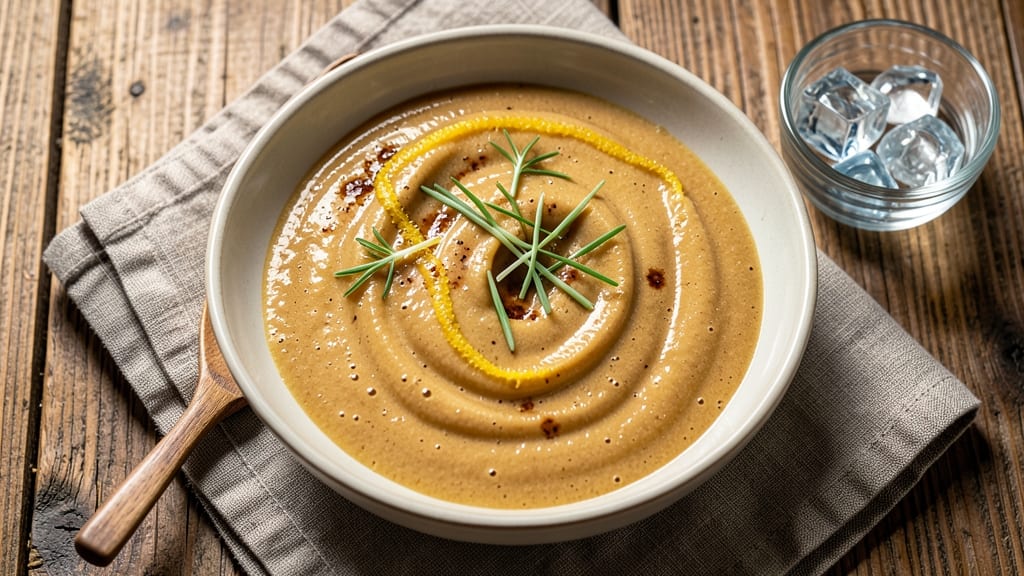
This 2-egg mayonnaise recipe delivers a perfectly stable emulsion every time—no lumps, no grease, just silky-smooth sauce that elevates everything from sandwiches to deviled eggs. The secret lies in precise technique: slow, steady oil incorporation and proper acid balance, which I’ve perfected after years of trial and error.
Unlike store-bought versions, this homemade mayo stays fresh for weeks and tastes infinitely better.
The process is simpler than it sounds: whisk egg yolks with Dijon mustard (the emulsifier) until pale, then drizzle in oil drop by drop at first. The mustard acts as a bridge, helping fat and water bond smoothly.
Lemon juice or vinegar adds brightness and prevents curdling, while a pinch of salt rounds out the flavor. Even beginners achieve a glossy, velvety texture with this foolproof method.
What you’ll end up with is a rich, creamy sauce that’s ultra-stable—no breaking when added to hot dishes or left sitting overnight. The texture is velvety, not grainy, and the flavor balances sharp acidity with deep richness.
This mayo transforms simple dishes into gourmet meals, whether you’re slathering it on burgers, mixing it into potato salad, or using it as a base for aioli.
For those nervous about emulsification, I’ve included troubleshooting tips in the next section—like what to do if the mayo separates mid-whisk. The key is patience and temperature control, but trust me, once you master this technique, you’ll never buy mayo again. Let’s get started.
Ingredients for 2 egg mayonnaise
Two eggs, one cup oil, and a few key ingredients transform into restaurant-quality mayo.
| Ingredient | Amount | Notes |
|---|---|---|
| Large Egg Yolks 🥚 | 2 whole | Fresh, room temperature preferred |
| Dijon Mustard 🌶️ | 1 tbsp | For optimal emulsification |
| Extra-Virgin Olive Oil 🫒 | 1 cup | Light, fruity variety preferred |
| Fresh Lemon Juice 🍋 | 1 tbsp | Bright, freshly squeezed |
| White Vinegar 💧 | 1 tsp | For acid balance |
| Diamond Crystal Kosher Salt 🧂 | ¼ tsp | Fine grain preferred |
| Granulated Sugar 🍚 | ½ tsp | Optional, for sweetness |
The egg yolks are non-negotiable here—freshness matters. Grab them from the back of the fridge (they keep better there) and let them sit at room temperature for 10 minutes before using. Trader Joe's consistently has the freshest eggs, but any high-quality brand works. The Dijon mustard is your emulsifier—no shortcuts. That cheap yellow mustard won't cut it. For the olive oil, California avocado oil or Spanish Arbequina work beautifully if you want to splurge, but good-quality extra-virgin olive oil is perfect for everyday use. The key is using oil that's light enough to not overpower the delicate balance of flavors.
No Dijon? Whole-grain mustard works in a pinch, though it might add a slight graininess. Short on lemon juice? White wine vinegar at double the amount keeps the acid balance. The sugar is optional but helps round out the sharpness—honey or maple syrup can substitute if you prefer. For those watching their fat intake, you can replace up to half the olive oil with avocado puree (it has a neutral taste and similar texture). The salt is crucial—Diamond Crystal kosher is ideal because it dissolves completely, but any fine sea salt works. If your mayo breaks during emulsification, don't panic—just add 1 tsp of hot water to the broken mayo and whisk vigorously to re-emulsify.
This mayo stays fresh for 2 weeks in the fridge if stored properly. Use an airtight container and press plastic wrap directly on the surface to prevent oxidation. For longer storage, divide into ice cube trays, freeze, and transfer to a bag—perfect for single servings. When reheating, microwave in 10-second bursts until warmed through. The texture will be slightly thicker after refrigeration, but it returns to silky smooth when brought to room temperature. Pro tip: Add a pinch of extra salt after chilling to brighten the flavors. This recipe makes about 1.5 cups—enough for a week of sandwiches if you're lucky!
Why You'll Love This Recipe
- No Whisk Required: I’ll admit—this mayo is the only one I make without breaking out the whisk. Just a fork, a bowl, and slow drizzling of that rich olive oil. The yolks stay bright, the texture stays silky, and my wrists thank me.
- Tangy Twist: That splash of lemon juice? It’s the secret weapon. The Dijon adds depth, but the acidity cuts through the richness—like a bright note in a jazz song. Honestly, it’s the only mayo I’ll serve with grilled fish or a simple tomato salad.
- Meal Prep MVP: I make a big batch on Sundays and keep it in the fridge for the week. It’s perfect for sandwiches, deviled eggs, or even as a quick drizzle over roasted veggies. No reheating, no fuss—just reliable flavor when I need it.
- Budget Bright Spot: Two eggs, a spoonful of mustard, and a little vinegar—this costs pennies compared to store-bought. Plus, the olive oil and lemon make it taste like you splurged. Between us, this is the kind of recipe that makes grocery shopping feel like a win.
Step-by-step instructions for ultra-stable mayonnaise
Here's how to make foolproof, velvety mayonnaise every time—no broken emulsions, no stress.
Whisk Egg Yolks and Mustard Until Ribbon-Thin
Place the 2 whole large egg yolks in a heatproof bowl that fits snugly over a saucepan of simmering water. The yolks should be at room temperature—this ensures they blend smoothly. Add the 1 tablespoon Dijon mustard and whisk vigorously for 2-3 minutes until the mixture thickens and leaves a clear ribbon when the whisk is lifted.
This step is critical for emulsification—the mustard acts as an emulsifier, helping the oil bind with the yolks. You'll know you're ready when the mixture turns pale and holds its shape for a few seconds after whisking. If it feels too thick, add a few drops of water to loosen it slightly, but don't overdo it.
Slowly Incorporate Olive Oil in a Thin Stream
Remove the bowl from the heat and position it over an ice bath to keep the yolks cool—this prevents them from scrambling as you add the 1 cup extra-virgin olive oil. Begin drizzling the oil in a very thin, steady stream while whisking constantly. The key here is patience: if you add the oil too quickly, the emulsion will break.
After the first few tablespoons, the mixture will start to thicken and become creamy. Keep whisking vigorously—you should hear a faint humming sound as the oil emulsifies. If the mixture suddenly looks separated (like oil and yolk floating apart), stop immediately, add 1 teaspoon white vinegar, and whisk until it recombines. This happens to everyone, but it's easily fixed.
Add Acid and Seasonings for Stability
Once all the oil is incorporated, stir in the 1 tablespoon fresh lemon juice, 1 teaspoon white vinegar, 0.25 teaspoon Diamond Crystal kosher salt, and 0.5 teaspoon granulated sugar (if using). The acidity from the lemon and vinegar balances the richness of the oil, while the sugar adds a subtle sweetness that rounds out the flavor. Taste and adjust the seasoning—you might need a touch more salt or lemon juice to your preference.
This is where the magic happens: the acid not only enhances flavor but also helps stabilize the emulsion. The sugar, though optional, prevents the mayonnaise from curdling over time. At this stage, your mayonnaise should be thick, glossy, and perfectly smooth—like liquid silk.
Rest and Adjust Consistency
Cover the bowl with plastic wrap, pressing the wrap directly onto the surface of the mayonnaise to prevent a skin from forming. Let it rest at room temperature for 10-15 minutes—this allows the flavors to meld and the emulsion to fully stabilize. If the mayonnaise is too thick after resting, thin it with 1-2 teaspoons water or lemon juice until it reaches your desired consistency.
If you're worried about storage, transfer the mayonnaise to a clean, airtight jar and refrigerate. It will keep for up to 1 week in the fridge, though I recommend using it within 3-4 days for the freshest flavor. The longer it sits, the more the oil separates slightly, but a quick whisk will bring it back to perfection.
Pro Tips For Making 2 Egg Mayonnaise
- Whip Yolks First: Beat the egg yolks and Dijon mustard together until they’re pale yellow and thick—this takes about 2 minutes with a whisk or 30 seconds with a hand mixer. Skipping this step means your mayo will fight you later, and you’ll end up with a thinner, less stable emulsion.
- Use Room-Temp Eggs: Cold yolks are stubborn. Let your eggs sit in warm water for 5 minutes before cracking them—this makes them easier to separate and blends smoother. I learned this the hard way after struggling with clumpy mayo from straight-out-of-the-fridge eggs.
- Add Oil Slowly at First: Start with drops of olive oil, then gradually increase to a thin stream. The first few additions are the most critical—rushing this is how curdled mayo happens. Think "tortoise, not hare," especially with just two yolks.
- Finish with Acid Gradually: Mix in half the lemon juice and vinegar first, then taste. Add the rest only if needed—too much acid upfront can break the emulsion. My grandmother swore by this, and she was right: balance is everything.
Common mistakes when making perfect results
Overwhisking the Yolks
I’ve seen so many people overwhisk the yolks and mustard, turning them into scrambled eggs before they even reach the oil. This is a classic mistake that happens when you whisk for more than 2-3 minutes or use a blender on high speed.
The yolks should thicken into a pale, ribbon-like consistency—not scrambled or foamy. If this happens, stop immediately, add 1 teaspoon cold water, and whisk gently to restore the proper texture. 💡
Adding Oil Too Quickly
The biggest culprit for broken mayo is rushing the oil incorporation. When you pour oil too fast, the yolks can’t emulsify properly, causing separation. Start with a very thin stream (like a slow drip), and only increase the flow once the mixture begins to thicken.
If you see oil pooling on top, pause and whisk vigorously to re-emulsify. Pro tip: Use a measuring cup with a spout or a squeeze bottle for precise control.
Skipping the Ice Bath
Many home cooks forget that mayo is a temperature-sensitive emulsion. If the yolks warm up too much during oil incorporation, they’ll scramble, and your sauce will curdle. Always place your bowl over an ice bath (or a bowl of ice water) while adding oil.
This keeps the yolks cool and stable. If you don’t have an ice bath, chill your bowl in the freezer for 5 minutes before starting.
Ignoring the Acid Balance
The acid (lemon juice or vinegar) isn’t just for flavor—it’s essential for stability. Without enough acid, your mayo will break when exposed to heat or moisture (like in a hot sandwich). Always include the full 1 tablespoon lemon juice + 1 teaspoon vinegar.
If your mayo starts to separate after adding it to a dish, whisk in ½ teaspoon extra vinegar to restore the balance.
Using Cold Eggs or Oil
Cold ingredients are another common downfall. Cold yolks won’t emulsify smoothly, and cold oil can cause the mixture to thicken unevenly.
Let your egg yolks sit at room temperature for 10 minutes before starting, and use room-temperature olive oil (store-bought oil is usually fine, but if it’s chilled, let it sit out for 30 minutes). This small step makes a huge difference in texture.
Not Resting the Mayo
Rushing to use mayo immediately after making it often leads to disappointment. The emulsion needs time to fully stabilize. Always let your mayo rest for 10-15 minutes before using it. During this time, the flavors meld, and the texture becomes silky.
If you’re in a hurry, cover the bowl tightly and refrigerate for 1 hour—this speeds up the process while keeping it stable.
Nutrition facts
Frequently asked questions
Can I substitute white vinegar for lemon juice?
Yes, but adjust the ratio for best results. Use 2 teaspoons white vinegar to replace 1 tablespoon lemon juice—the acidity level needs to match. White vinegar adds a sharper tang, so taste as you go. For a milder flavor, try apple cider vinegar instead. The key is maintaining that 1:1 acid balance to keep your mayo stable.
Why did my mayo break when I added it to hot food?
Heat destroys emulsions! Always let your mayo come to room temperature before using it on warm dishes. If it separates, whisk in ½ teaspoon cold water or 1 teaspoon vinegar to re-emulsify. For hot dishes, add mayo last minute or mix it into cooled components first. The 10-minute rest before using helps prevent this issue.
Can I make this recipe with just egg whites?
No, yolks are essential for emulsification—they contain lecithin, the natural emulsifier. Egg whites alone won't bind oil and acid properly. For a lighter version, you could try 1 yolk + 1 white, but the texture will be less stable. The 2-yolk recipe gives the creamiest, most reliable results every time.
How do I fix mayo that's too thick?
Thin it gradually with 1 teaspoon water or lemon juice at a time while whisking constantly. Start with less—you can always add more. If it's still too thick after resting, try warming it slightly (not hot!) to loosen the emulsion. The ideal consistency should coat the back of a spoon but still drip slowly. Too thick? You might have over-emulsified during oil incorporation.
Is this mayo safe to eat raw?
Yes, but only if your eggs are pasteurized or fully cooked. For extra safety, use pasteurized eggs or cook the finished mayo by gently heating it to 160°F (it will thicken further). Store-bought eggs carry a small risk of salmonella, so if you're concerned, add the mayo to hot dishes where it will cook through. The recipe's acidity helps inhibit bacterial growth, but proper egg handling is crucial.