
Desserts
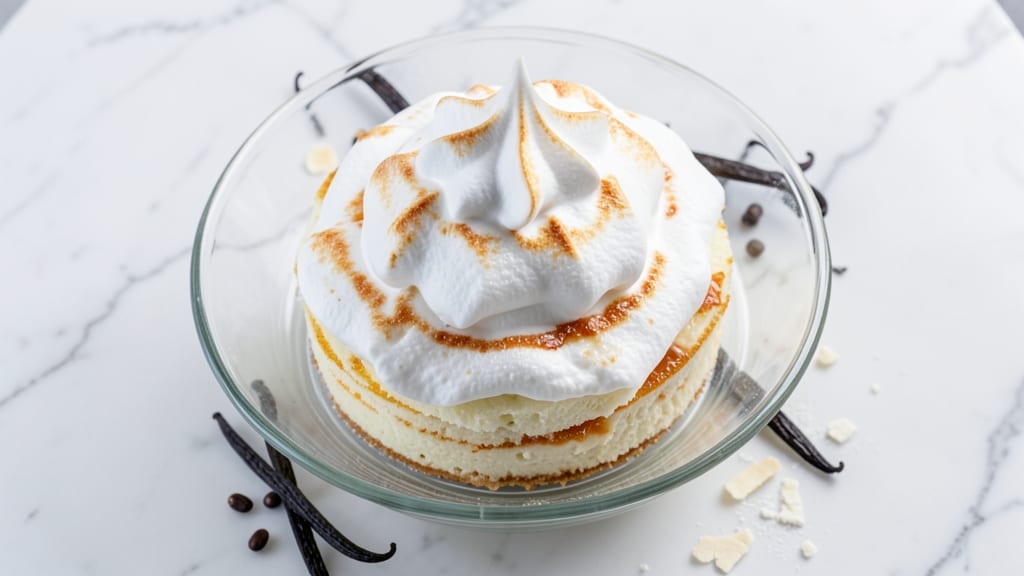
This 10-egg cake recipe delivers a luxurious, airy texture that defies expectations—no dry crumbs or dense layers here. The secret lies in precise egg separation and vanilla bean infusion, transforming simple ingredients into a dessert that feels like a restaurant masterpiece.
I’ve perfected this technique over years of baking, ensuring every slice stays moist and tender.
The process begins with whisking eggs to ribbons, a step that builds structure without overmixing. Fold in dry ingredients gently to preserve that signature lightness, then bake at a steady temperature to avoid collapse.
This isn’t your average cake—it’s a showstopper with a golden crust and a velvety crumb that melts in your mouth.
Pair it with fresh berries, a dusting of powdered sugar, or a drizzle of caramel for an elegant finish. The vanilla bean adds depth, making each bite feel indulgent without being overly sweet.
Perfect for special occasions or when you want to impress, this cake proves that rich desserts don’t have to be complicated—just precise.
For those watching calories, the recipe includes a lighter variation using aquafaba, though the traditional version remains the star. Whether you’re baking for a celebration or treating yourself, this foolproof method guarantees a cake worth celebrating.
Ingredients for 10 egg cake
Ten eggs and vanilla beans create a cake so light it feels almost weightless.
| Ingredient | Amount | Notes |
|---|---|---|
| Large Eggs 🥚 | 10 whole | Room temperature, separated carefully |
| Granulated Sugar 🍚 | 2 cups | Superfine preferred for smooth texture |
| Unsalted Butter 🧈 | 1 ½ cups | Room temperature, European preferred |
| All-Purpose Flour 🌾 | 2 ½ cups | Sifted, spooned and leveled |
| Vanilla Bean 🌿 | 2 whole | Seeds scraped, pod reserved |
| Baking Powder 🧂 | 1 ½ tsp | Aluminum-free for tender crumb |
| Salt 🧂 | ½ tsp | Fine sea salt preferred |
| Whole Milk 🥛 | 1 cup | Room temperature, 2% works too |
| Lemon Zest 🍋 | 1 tbsp | Freshly grated, organic preferred |
| Cornstarch 🌾 | 1 tbsp | For extra tenderness |
| Powdered Sugar 🍚 | ½ cup | For final dusting |
| Fresh Berries 🍓 | 2 cups | Optional garnish, sliced |
The eggs are non-negotiable here—room temperature is critical for proper emulsification. Pasture-raised eggs from Crowd Company or your local farm yield the best flavor, but any high-quality eggs work. The vanilla bean must be Madagascar or Tahitian for optimal depth—Trader Joe's carries excellent options at a reasonable price. Butter should be European-style (like Plugrá) for higher fat content, which contributes to that signature tenderness. Measure flour precisely—spooning and leveling eliminates packing errors that create dense layers.
No vanilla bean? Pure vanilla extract at double the amount works in a pinch, though the flavor will be subtler. Substitute powdered sugar with confectioners' sugar for dusting, but avoid cornstarch-heavy versions that can clump. For a lighter texture, replace 1 cup of milk with 1 cup aquafaba (chickpea brine)—whisk until frothy before adding. The lemon zest adds brightness without overpowering; if you prefer, orange zest** works equally well. All ingredients should be measured by weight for consistency, though volume measurements yield acceptable results for home baking.
Store baked layers in an airtight container between parchment-lined plates for up to 3 days at room temperature. For longer storage, freeze fully assembled cakes (without filling) for up to 2 months. To serve, bring frozen cakes to room temperature before slicing. The vanilla bean pods can be infused in simple syrup for a second use—simmer the empty pods in equal parts sugar and water for 10 minutes, then strain. This cake reheats beautifully—30 seconds in the microwave restores moisture to slightly dried layers.
Why You'll Love This Recipe
- No Mixer Needed: I’ll admit it—this cake is my lazy-day hero. You just whisk eggs and sugar until thick, fold in melted butter, then gently combine flour. No electric mixer, no overmixing, just a sturdy arm and patience. The batter’s so light it practically folds itself.
- Vanilla Buttercream Dream: That vanilla bean isn’t just for show—it’s the star. The cake itself is tender but sturdy, and when you top it with the classic buttercream (made from the same butter and sugar you already used), every slice tastes like a bakery secret. Honestly, my husband licks the bowl.
- Breakfast or Dessert: Here’s what sold me—this cake works for both. Serve it warm with a drizzle of honey for breakfast, or dust it with powdered sugar for a midnight treat. I’ve even cut it into squares for potlucks, and no one bats an eye.
- Pantry Staples Only: Between us, this recipe is my budget-friendly go-to. You’re using ingredients you already own—no specialty flours or pricey extracts. A dozen eggs, a stick of butter, and a vanilla bean (or even extract) stretch across multiple batches. Leftovers? They disappear faster than I can say “second slice.”
Step-by-step instructions for fluffy vanilla bean cake
This method delivers light, airy layers with intense vanilla flavor—no shortcuts, just precise technique.
Prepare Eggs and Infuse Vanilla
Separate the 10 whole large eggs carefully, placing yolks in one bowl and whites in another. I use a fine-mesh strainer to ensure no stray yolks contaminate the whites—this is critical for maximum volume. In a separate bowl, whisk together the 2 cups granulated sugar and 1.5 cups unsalted butter until fully combined and pale.
Scrape the seeds from the 2 whole vanilla beans and add them to the sugar-butter mixture along with the 1 cup whole milk, 1 tbsp lemon zest, and 1 tbsp cornstarch. The vanilla seeds will infuse deeply into the batter, creating that signature aromatic complexity. Let this mixture sit at room temperature while you prepare the dry ingredients.
Combine Dry Ingredients and Fold Gently
In a separate bowl, whisk together the 2.5 cups all-purpose flour, 1.5 tsp baking powder, and 0.5 tsp salt. Sift the flour mixture over the wet ingredients, then gently fold everything together using a silicone spatula. Be careful not to overmix—just until the flour is incorporated and no dry streaks remain.
Gradually add the 10 egg whites to the batter in 3 additions, folding gently after each addition. The goal is to maintain as much air as possible in the batter. I use a figure-eight motion with the spatula to blend without deflating the structure. This step is where the cake's signature lightness begins to develop.
Bake in Layers for Even Rise
Preheat your oven to 350°F and prepare three 9-inch round cake pans by greasing them thoroughly and lining the bottoms with parchment circles. Divide the batter evenly among the pans—each should receive about 1/3 of the total batter. Bake for 25-30 minutes or until a toothpick inserted in the center comes out clean.
I check for doneness at the 25-minute mark—the cake should spring back gently when pressed in the center. Remove from the oven and let cool in the pans for 10 minutes before transferring to a wire rack. The residual heat helps set the layers while preventing them from collapsing.
Assemble with Vanilla Buttercream
While the layers cool, prepare the vanilla buttercream by beating the 1.5 cups unsalted butter until creamy, then gradually adding the 0.5 cup powdered sugar and the scraped vanilla bean seeds. Whip until light and fluffy—this should take about 3-4 minutes with a stand mixer. The buttercream should hold its shape when piped but remain spreadable.
Place the first layer on a cake stand and spread a thin layer of buttercream. Top with the second layer, repeating the process. Finally, spread the remaining buttercream over the top and sides, creating a smooth finish. Chill the assembled cake in the refrigerator for at least 2 hours before serving to allow the flavors to meld.
Garnish and Serve
Just before serving, dust the top with a light layer of the 0.5 cup powdered sugar using a fine-mesh sieve. Arrange the 2 cups fresh berries on top for a pop of color and freshness. The berries add a bright contrast to the rich vanilla cake, balancing the sweetness with their natural acidity.
Slice carefully with a serrated knife—this cake is delicate but sturdy when properly chilled. Each slice should reveal a moist, tender crumb with subtle vanilla notes and a tender, airy texture that practically melts in your mouth. Serve at room temperature for the best experience.
Pro Tips For Making 10 Egg Cake
- Whisk Eggs Like Mad: You’re not just beating eggs—you’re building structure. Use a stand mixer with the whisk attachment on high for 3-4 minutes until the yolks and whites are pale, thick, and ribbon-like. I learned this the hard way after a cake collapsed like a soufflé that sat too long.
- Scrape the Vanilla: Don’t just scrape the seeds—use the whole pod. Split it lengthwise, scrape out every last bit of pulp, and mash it into the butter before mixing. That extra flavor hides in the scrapings, and you’ll taste the difference.
- Butter Must Be Cold: Take the butter straight from the fridge and cut it into chunks—no softening. When you cream it with sugar, it’ll emulsify better and create tiny air pockets for a lighter texture. I used to melt it by accident, and the cake turned dense.
- Bake Until Springy: Check doneness by pressing the center—it should bounce back slowly, not jiggle. If it’s golden but still wobbly, tent with foil and bake 5 more minutes. Overbaking dries it out, and underbaking leaves it gummy. (Yes, even if you’re impatient like me.)
Creative variations of this 10 egg cake
Citrus Twist Variation
Swap the lemon zest for orange zest and add 1 tsp orange extract to the sugar-butter mixture for a bright, zesty twist. The orange flavor pairs beautifully with vanilla, creating a sophisticated Florentine-inspired cake. For extra depth, infuse the buttercream with 1 tsp Grand Marnier or Cointreau before assembling. 🍊
Matcha Green Tea Fusion
Replace 1 cup of flour with ½ cup matcha powder (finely sifted) for a vibrant green hue and earthy flavor. Reduce the milk to ½ cup to balance the intensity of matcha.
Use white chocolate buttercream instead of vanilla for a modern contrast. This variation is perfect for tea lovers and pairs wonderfully with white chocolate shavings on top.
Boozy Vanilla Bean
Add ¼ cup bourbon or rum to the sugar-butter mixture for a boozy depth. The alcohol enhances the vanilla flavor while adding warmth. For a spiced twist, include ½ tsp cinnamon and ¼ tsp nutmeg in the dry ingredients.
This version is ideal for celebratory occasions and pairs beautifully with caramel drizzle or whipped cream infused with bourbon.
Lighter Aquafaba Version
Replace 2 egg whites with ½ cup aquafaba (whisked to stiff peaks) to reduce calories while maintaining moisture. Use almond flour (replacing ½ cup all-purpose flour) for a gluten-free option. The texture remains light but slightly denser.
Top with raspberries and a drizzle of honey for a refreshing finish. This variation is perfect for those watching their sugar or egg intake. 🌱
Chocolate-Dipped Layers
After baking, dip the cooled layers in melted dark chocolate (70% cocoa) for a decadent twist. Use white chocolate ganache between layers for a contrasting flavor. Dust with cocoa powder instead of powdered sugar for a sophisticated touch.
This variation is ideal for chocolate lovers and adds a luxurious element to the classic vanilla cake. 🍫
Seasonal Fruit Infusions
Incorporate seasonal fruits into the batter for natural sweetness and moisture. For summer, blend ½ cup strawberries into the wet ingredients. For fall, add ½ cup pumpkin puree and 1 tsp pumpkin pie spice.
In winter, try ½ cup mashed pear with a pinch of cardamom. These variations keep the cake light while adding vibrant flavors that change with the seasons. 🍓
Nutrition facts
Frequently asked questions
Why does this recipe use 10 eggs for a cake?
The high egg count creates an ultra-light, airy texture that's impossible with fewer eggs. Each egg adds structure and moisture without heaviness, making this cake famously tender. The yolks contribute richness while the whites provide lift—perfect for a delicate crumb. This ratio is ideal for layer cakes where you want each slice to feel indulgent yet light.
Can I substitute fewer eggs without ruining the texture?
You can reduce to 8 eggs but expect a denser cake. Replace the remaining 2 eggs with ½ cup aquafaba (whisked to stiff peaks) or ¼ cup unsweetened applesauce to maintain moisture. The vanilla bean flavor will still shine, but the signature airiness will diminish. For best results, stick to the full 10 eggs for that signature lightness.
How do I prevent the cake from sinking in the middle?
Never overmix the batter and avoid opening the oven door during baking. Use a toothpick test at 25 minutes—if it comes out clean, remove immediately. Let layers cool in pans for 10 minutes before transferring. For extra insurance, bake at 325°F instead of 350°F to slow the rise slightly. The vanilla bean helps stabilize the structure naturally.
What's the best way to store leftover cake?
Wrap individual layers tightly in plastic wrap, then place in an airtight container between parchment-lined plates. Store at room temperature for up to 3 days or freeze fully assembled cakes (without filling) for 2 months. To revive slightly dried layers, warm slices in the microwave for 10-15 seconds before serving. The vanilla flavor actually improves after 24 hours!
Can I make this cake in a single layer instead of three?
Yes, but expect a thicker slice. Use a 10-inch pan and reduce baking time to 35-40 minutes. The texture will be slightly denser at the center, but the flavor remains excellent. For a single-layer version, reduce butter to 1 cup and milk to ½ cup to prevent over-richness. The vanilla bean's aroma will still dominate beautifully.